

 Send Inquiry
Thiophanate Methyl
Price 500.0 INR/ Kilograms
Thiophanate Methyl Specification
- Type
- Other Agro Product
- Cultivation Type
- Other
- Texture
- Other
- Physical Form
- Solid
- Fragrance
- Other
- Taste
- Other
- Used As
- Raw Material
- Purity
- 96%
- Preservation Process
- other
- Processing Type
- Raw
- Freezing Process
- other
- Shelf Life
- 4 Years
Thiophanate Methyl Trade Information
- Minimum Order Quantity
- 100 Kilograms
- FOB Port
- NHAVA SHEVA
- Supply Ability
- 100000 Kilograms Per Month
- Delivery Time
- 3 Days
- Sample Available
- No
- Sample Policy
- Free samples available with shipping and taxes paid by the buyer
- Packaging Details
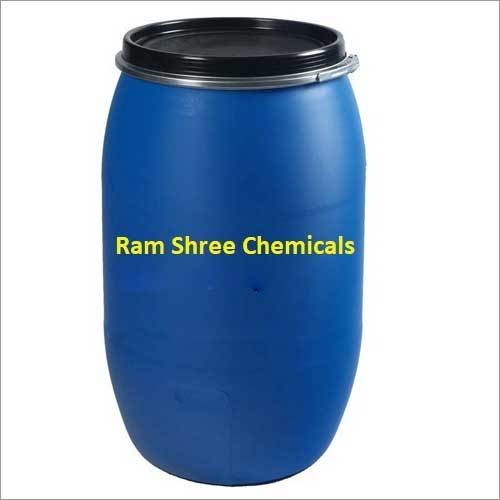
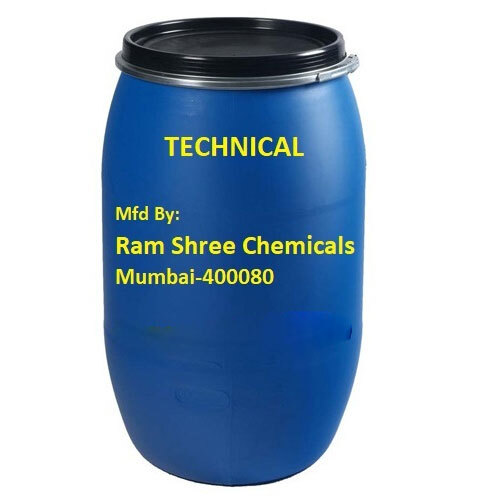
- 100 KG HDPE Drum
- Main Export Market(s)
- Asia, South America, Middle East, Africa, Western Europe
- Main Domestic Market
- All India
- Certifications
- ISO 9001-2000 CERTIFIED
About Thiophanate Methyl
Technical of Thiophanate Methyl (TPM) available for domestic and export.-
- Type: Broad-spectrum systemic fungicide
- Mode of Action: Preventive, curative, and systemic activity
- Uses: Controls a wide range of fungal diseases in crops such as fruits, vegetables, turf, and ornamentals.
- Target Diseases: Anthracnose, Cercospora leaf spot, Venturia scab, Ring rot, Powdery mildew, Brown rust, Leaf blight, Grey mould, Botrytis, Fusarium wilt
Toxicological & Environmental Notes
- Mammalian Toxicity: Low, but it can act as a skin irritant and sensitizer.
- Mutagenicity: May have mutagenic potential.
- Ecotoxicity: Moderately toxic to aquatic organisms and earthworms; less toxic to birds and honeybees
Summary
Thiophanate-methyl is a systemic carbamate fungicide widely used in agriculture for its broad-spectrum disease control. It is valued for its preventive and curative properties, but care must be taken due to its potential irritant and environmental effects.
Would you like me to also prepare a compliance-ready MSDS-style description (structured into hazard classification, handling, and storage) so its directly usable in your documentation workflow?
High Purity for Optimal Results
This raw Thiophanate Methyl features a 96% purity level, ensuring potent effectiveness in agricultural applications. Its solid physical form enhances stability and ease of handling, catering to the needs of suppliers and manufacturers who prioritize quality in bulk purchases.
Robust Shelf Life and Versatility
With a shelf life of four years, Thiophanate Methyl supports inventory flexibility while maintaining its efficacy. Its versatility as a raw material allows it to be seamlessly integrated into various agrochemical formulations, underscoring its role as a vital ingredient for farmers and agro-industries across India.
FAQ's of Thiophanate Methyl:
Q: How should Thiophanate Methyl be stored to maximize its shelf life?
A: Thiophanate Methyl should be kept in a cool, dry area away from direct sunlight and moisture. Proper sealing after each use and following the recommended storage conditions will help preserve its effectiveness for the full four-year shelf life.Q: What are the primary uses of Thiophanate Methyl as a raw material?
A: As a raw material, Thiophanate Methyl is predominantly used in the formulation of fungicides for agriculture. It helps protect crops against a wide range of fungal diseases, contributing to higher yields and healthier plants.Q: When is the optimal time to apply products containing Thiophanate Methyl in agriculture?
A: The best time to apply Thiophanate Methyl-based formulations is during the early stages of crop growth or at the first sign of fungal infection. Regular monitoring and timely application ensure maximum crop protection and improved efficiency.Q: Where is Thiophanate Methyl mainly supplied or exported from in India?
A: Thiophanate Methyl is supplied and exported by leading agrochemical manufacturers, suppliers, and wholesalers across various regions in India, ensuring availability for both domestic and international markets.Q: What is the general process for using Thiophanate Methyl in agricultural products?
A: Thiophanate Methyl, in its raw and solid form, is typically processed or blended into commercial fungicide formulations. These are then diluted or prepared as per manufacturer instructions before application to crops.Q: What benefits does Thiophanate Methyl offer as an agro product?
A: Thiophanate Methyl provides effective protection against multiple fungal pathogens, enhancing crop resilience, improving yield quality, and supporting sustainable agricultural practices. Its extended shelf life adds further value for distributors and end users.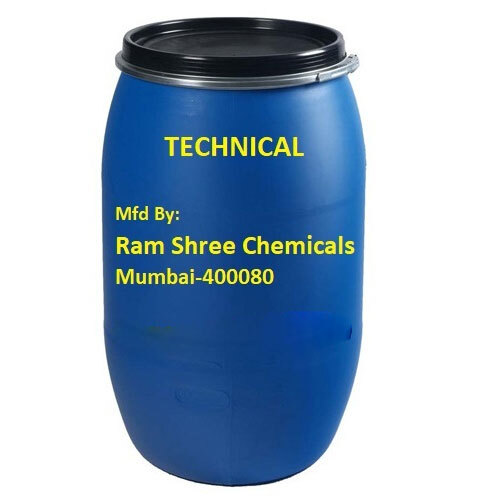

Price:
- 50
- 100
- 200
- 250
- 500
- 1000+

More Products in Pesticide Technical & Bulk Formulation Category
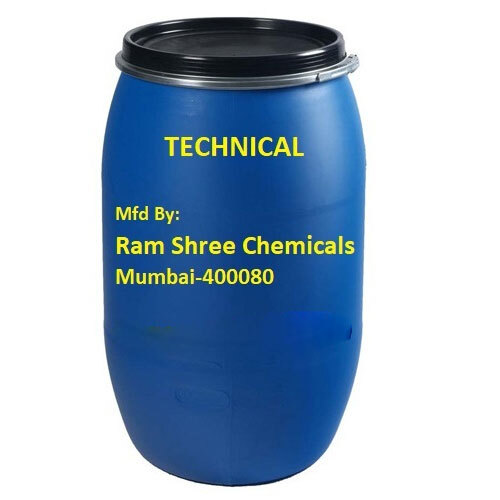
CARBENDAZIM TECHNICAL
Price 1210.0 INR / Kilograms
Minimum Order Quantity : 100 Kilograms
Shelf Life : 3 Years
Type : Other Agro Product
Cultivation Type : Other
Taste : Other
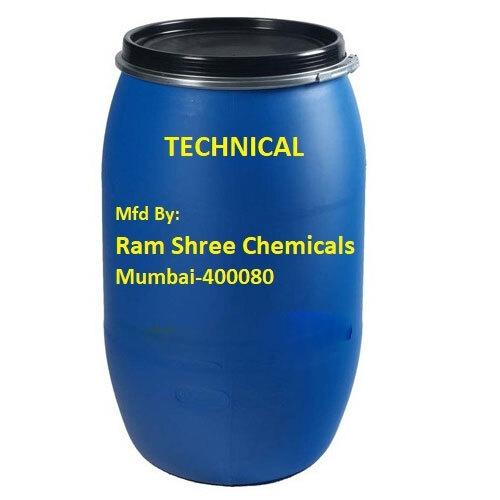
Imidacloprid Technical
Price 1120.0 INR / Kilograms
Minimum Order Quantity : 100 Kilograms
Shelf Life : 4 Years
Type : Other Agro Product
Cultivation Type : Other
Taste : Other
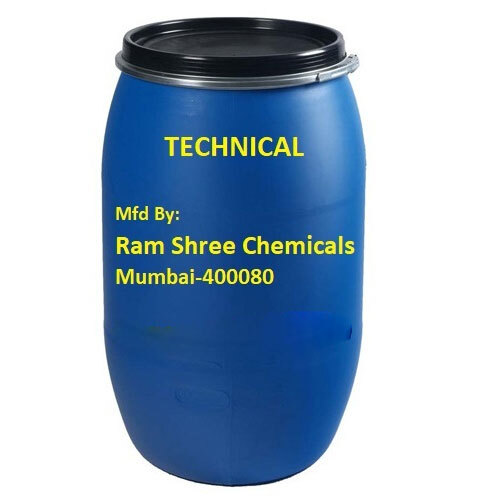
Cypermethrin 92%
Price 500.0 INR / Kilograms
Minimum Order Quantity : 100 Kilograms
Shelf Life : 3 Years
Type : Other Agro Product
Cultivation Type : Other
Taste : Other
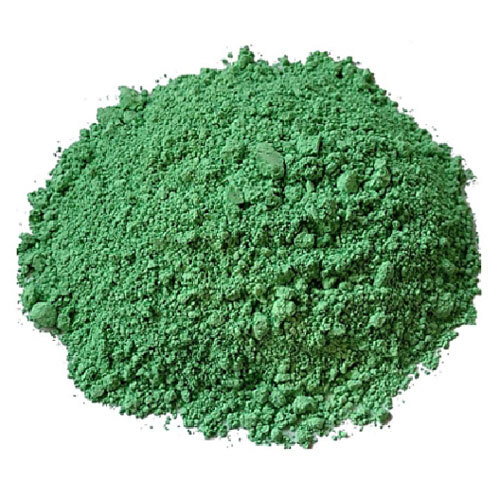
COPPER OXYCHLORIDE TECHNICAL
Price 50000.0 INR / Metric Ton
Minimum Order Quantity : 1 Metric Ton
Shelf Life : 2 Years Years
Type : Other Agro Product
Cultivation Type : Normal
Taste : Other


- 7, Near Vikas Paradise, LBS Marg, Mulund West,Mumbai - 400080, Maharashtra, India
- Phone : 08037735570
GST : 09BPJPK4223C1Z5

- Mr S K Rajput (CEO)
- Mobile : 08037735570
- Mrs. Khushi Mehra (Vice President)
- Send Inquiry
 Send Inquiry
|



 Send Inquiry
 Send SMS
 Call Me Free
Developed and Managed by Infocom Network Private Limited.


